Bathroom Rough-In Plumbing Cost: A Complete Guide
Bathroom rough-in plumbing costs $1,500-$5,500 depending on fixture count, access, and region. Here's what the work involves and what to budget.
Quick Answer
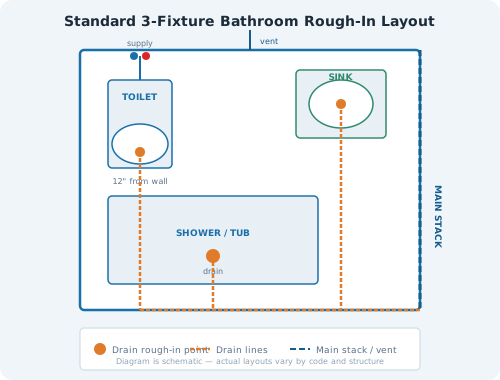
Bathroom rough-in plumbing costs $1,500-$5,500 for a standard 3-fixture bath (toilet, sink, shower/tub). The wide range reflects fixture count, how far the new bathroom is from the main stack, and local labor rates.
"Rough-in plumbing" refers to the first phase of bathroom construction: running all the supply and drain lines before the walls are closed. It's called rough-in because it's the rough structure of the plumbing system: pipes, vents, and drain stub-outs in the right locations, ready for fixtures to be connected later during trim-out.
Getting the rough-in right is more important than the finish work. Pipes in the wrong location, inadequate venting, or undersized drain lines cause problems that are expensive to fix once walls are closed.
What's Included in Rough-In Plumbing
A standard bathroom rough-in includes:
- Hot and cold supply lines to each fixture location
- Drain-waste-vent (DWV) lines connecting each fixture to the main stack
- Proper slope on all drain lines (typically ¼" per foot)
- Vent pipes extending through the roof to prevent siphoning
- Blocking in the walls for grab bars (if applicable)
- Shower pan or tub drain connection (if slab or subfloor work is needed)
It does not include fixture installation, finish valves, or connecting supply lines to fixtures. Those happen during the trim-out phase, typically after drywall and tile.
Rough-In Cost by Fixture Count
The number of fixtures is the primary cost driver. Each additional fixture adds supply lines, a drain connection, and often additional venting:
- Half bath (toilet + sink): $1,200-$2,800
- Full bath (toilet, sink, tub/shower): $1,800-$4,500
- Full bath with separate tub and shower: $2,500-$6,000
- Master bath (toilet, double sinks, separate tub, walk-in shower): $3,500-$8,000
Use our bathroom plumbing cost estimator to calculate your specific configuration.
What Drives the Cost Higher
Distance from the main stack. Every drain line needs to connect to the main vertical stack, which runs from basement to roof. A first-floor bathroom addition close to the stack is relatively straightforward. A second-floor addition or a bathroom on the opposite side of the house from the stack requires longer drain runs, more venting, and more labor.
Slab vs. wood-frame construction. First-floor additions over a concrete slab require breaking and repairing concrete to run drain lines, and this alone can add $500-$1,500 to the project.
Accessibility. In new construction or gut renovations, everything is open and accessible. In a partial renovation where existing walls and floors are intact, the plumber needs to run pipes through finished spaces, which takes significantly more time.
Regional labor rates. Plumber hourly rates range from $65 in rural low-cost markets to $160 in premium urban markets. With 20-30 hours of labor for a typical rough-in, the rate difference alone can swing the total by $2,000-$2,800. The plumbing cost estimator accounts for this regional difference.
Permits and inspections. New bathroom plumbing always requires a permit. Your plumber pulls the permit; expect $100-$400 for the permit fee plus one or two inspections (rough-in and final). Read our plumbing permit guide for more on what inspectors check.
Timeline: How Long Does Rough-In Take?
A simple half-bath rough-in in a new addition takes 1-2 days. A full master bath with multiple fixtures, especially in a renovation with limited access, takes 3-5 days. The permit approval and inspection schedule often add 1-2 weeks to the overall project timeline.
Common Rough-In Mistakes
Incorrect drain locations. Fixture drain stub-outs must be precisely located to match the fixtures being installed. A toilet rough-in, for example, must center exactly 12 inches from the finished wall (the "rough-in distance"). If it's 11 or 13 inches, you either need a special toilet or the drain has to be moved, which is expensive.
Inadequate venting. Every drain needs venting to prevent siphoning (the sucking sound that also empties your P-traps, allowing sewer gas into the home). An improperly vented bathroom is a code violation and a health issue. This is one reason a licensed plumber is required for this work.
Wrong pipe slope. Drain lines need exactly ¼" drop per foot of horizontal run. Less than that and solids don't flow properly; more than that and liquid runs ahead of solids, leaving buildup behind.
Questions to Ask Your Plumber
Before hiring anyone for bathroom rough-in, get clear answers on these:
- What is your rough-in distance for the toilet drain?
- Will the work be done in a single mobilization, or will there be a rough-in visit and a trim-out visit?
- Are permits and inspections included in your quote?
- Who is responsible for concrete cutting if needed?
- What's your process if the existing drain lines need resizing?
Ask your contractor which code they build to, as most US jurisdictions follow either the International Code Council's IPC or the IAPMO Uniform Plumbing Code, and fixture spacing requirements differ slightly between them.
Regional Cost Variations
Rough-in pricing tracks labor rates more than material costs because the work is labor-heavy. Here's what a standard 3-fixture bath rough-in costs in different metros:
| City | 3-Fixture Bath Rough-In |
|---|---|
| Oklahoma City, OK | $1,600-$2,800 |
| Indianapolis, IN | $1,900-$3,200 |
| Raleigh, NC | $2,100-$3,500 |
| Washington, DC | $2,800-$4,800 |
| San Jose, CA | $3,500-$6,500 |
Midwest and Southern markets run lower because permit fees are modest ($75-$200) and licensed plumber hourly rates sit in the $75-$110 range. Coastal cities charge more for three reasons: hourly rates of $140-$180, permit fees that can hit $400-$600 per bathroom, and stricter venting and fixture unit requirements that add materials and time. San Jose specifically requires earthquake-rated pipe support which adds 2-3 hours of labor.
Frequently Asked Questions
Do I need a permit for a bathroom rough-in?
Yes, almost always. New bathroom plumbing requires both a plumbing permit and sometimes a building permit. Expect $100-$600 in permit fees plus two inspections: one before walls close and a final after trim-out. Skipping the permit creates problems at resale and voids most insurance claims.
How far in advance should I schedule a plumber for rough-in?
Book 3-6 weeks ahead for non-urgent work, or 8-12 weeks during peak remodeling seasons (spring and early fall). The plumber also needs to coordinate with your framer, electrician, and inspector, so factor their availability into the timeline.
Can I do the rough-in myself?
Some jurisdictions allow homeowners to do their own plumbing on an owner-occupied property with a permit. Even where it's legal, the DIY risk is high: a failed inspection means reopening walls, and a mistake on drain slope or venting causes years of slow problems. Most homeowners save money by hiring a licensed plumber for rough-in and doing their own demo and cleanup.
What's the difference between rough-in and trim-out?
Rough-in is everything inside the walls (pipes, drains, vents, and stub-outs). Trim-out is everything you see (faucets, toilets, shower valves, and supply connections). Rough-in happens before drywall; trim-out happens after tile and paint. Many plumbers quote both phases together, typically $800-$2,000 for trim-out on top of the rough-in cost.
Does adding a bathroom increase home value?
Adding a full bathroom typically returns 50-65% of its cost in added home value at resale. A $15,000 bathroom addition adds roughly $8,000-$10,000 to appraised value. The value is higher for homes that were previously one-bath or had poor bedroom-to-bath ratios.
Ready to estimate your plumbing project?
Use the Free Estimator →