Whole-House Repipe Cost: What to Expect
A whole-house repipe costs $4,000-$10,000 for most homes. Learn what drives the price, when you need it, and what the work actually involves.
Quick Answer
Whole-house repiping costs $4,000-$10,000 for a typical 1,500-2,500 sq ft home. Larger homes, premium materials, and complex access situations can push the total above $15,000. PEX pipe is now the standard choice for cost-efficiency.
If you own an older home with galvanized steel or polybutylene supply pipes, you're likely looking at a repipe in your future. These pipe materials degrade over time: galvanized steel corrodes from the inside out, and polybutylene becomes brittle. Once you're dealing with repeated leaks, low pressure, or discolored water, a full repipe is usually more cost-effective than patching.
What a Repipe Involves
A whole-house repipe replaces all the supply lines, meaning the pipes that carry pressurized hot and cold water to fixtures throughout the home. It does not include drain-waste-vent (DWV) pipes, which are typically cast iron or PVC and last much longer.
The process involves opening walls and ceilings at strategic points to access and replace the old pipe runs, then patching the drywall and repainting. In most homes, a crew of 2-3 plumbers can complete the pipe work in 1-3 days. Drywall patching and painting are usually separate work that happens after.
Repipe Cost by Home Size
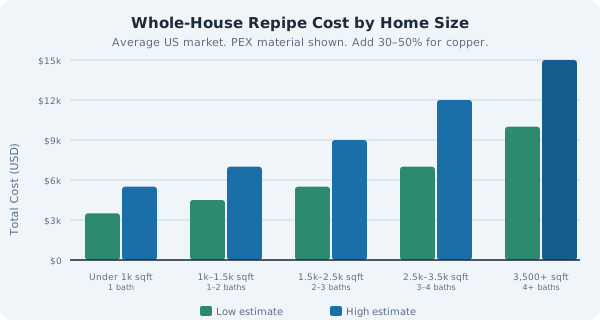
Costs vary primarily by the linear footage of pipe required and the number of fixture connections. Here's what homeowners typically pay for PEX repiping in an average-cost market:
- Under 1,000 sq ft (1 bath): $3,500-$5,500
- 1,000-1,500 sq ft (1-2 baths): $4,500-$7,000
- 1,500-2,500 sq ft (2-3 baths): $5,500-$9,000
- 2,500-3,500 sq ft (3-4 baths): $7,000-$12,000
- 3,500+ sq ft or complex layouts: $10,000-$18,000
Premium markets (NYC, San Francisco, LA) typically run 30-50% above these ranges. Get a precise estimate with our whole-house repipe cost calculator.
PEX vs. Copper: Which Is Right?
PEX (cross-linked polyethylene) has become the dominant choice for residential repiping. It's flexible, resistant to freezing, easier to install in tight spaces, and costs roughly half what copper does. PEX runs $0.50-$1.50 per linear foot, compared to $2-$5 for copper. Installation labor is also faster with PEX because it can be run in longer continuous lengths with fewer fittings.
Copper remains the premium option. It's rigid, has a proven 50+ year track record, and is required by some local codes in certain applications. Copper repiping runs 30-50% more than PEX for the same home.
CPVC (chlorinated PVC) is a less common option that falls between PEX and copper in cost. It's rigid like copper but cheaper, though it becomes brittle over decades.
For most homeowners doing a full repipe, PEX is the right call, as the labor savings alone justify it, and the material has performed well over the past 25 years.
Signs You Need a Repipe
- Galvanized pipes: Any home built before 1960 with original plumbing likely has galvanized steel. These pipes rust from the inside, gradually restricting water flow and eventually failing.
- Polybutylene pipes: Homes built 1978-1995 may have gray polybutylene (often labeled "PB") supply pipes. This material was recalled due to widespread failure. If you have it, replacement is highly advisable.
- Multiple leaks in 12 months: One leak can happen anywhere. Two or three leaks in a year at different locations usually means the pipe material itself is failing.
- Low pressure throughout the home: Corrosion buildup inside old galvanized pipes reduces the pipe's effective diameter over time. If pressure has dropped noticeably over several years, the pipes are likely heavily corroded.
- Rust-colored water: Especially on first morning draw from hot or cold taps. This is pipe corrosion coming through.
The Repipe Process: What to Expect
- Pre-work assessment: A plumber walks the home to assess pipe routing, access points, and fixture count. This takes 30-60 minutes.
- Permit pull: A permit is required for repipe work in virtually all jurisdictions. Your plumber handles this; factor 1-2 weeks for permit approval in busy municipalities.
- Pipe work: Crew opens access points, removes old pipe, and runs new PEX or copper. Water is off during this work, usually 1-2 full days.
- Pressure test: Before walls are closed, the system is pressurized and checked for leaks.
- Inspection: The building inspector verifies the work before walls are closed.
- Drywall repair: This is typically a separate contractor; budget $500-$2,000 depending on the number of access holes.
Read our plumbing permits guide for what to expect from the permit and inspection process.
Getting Quotes for a Repipe
Repipe is a significant job, so get at least three quotes. Ask each plumber:
- What pipe material are you using, and what's the brand/rating?
- Does the quote include drywall patching and painting?
- What is your permit and inspection process?
- What warranty do you offer on parts and labor?
Don't automatically take the lowest quote. Repiping is work you'll live with for 30+ years. A job done in a hurry with poor drywall access points will cost you in repair costs and headaches down the road. Check that your contractor's pipe installation methods follow IAPMO Uniform Plumbing Code standards, which most jurisdictions adopt for residential work.
Regional Cost Variations
Repipe pricing varies more by region than almost any other plumbing job because labor is 60-70% of the total. Here's what a 1,800 sq ft, 2-bath PEX repipe typically costs in different markets:
| City | 1,800 sq ft PEX Repipe |
|---|---|
| Phoenix, AZ | $5,500-$7,500 |
| Nashville, TN | $5,800-$8,000 |
| Minneapolis, MN | $6,500-$9,000 |
| Portland, OR | $7,500-$10,500 |
| Los Angeles, CA | $9,000-$13,500 |
Arizona and Tennessee stay cheap because of single-story slab homes with attic-run plumbing, which allows crews to work efficiently without tearing into multiple floors. Portland and LA are expensive because of two-story homes, earthquake retrofitting requirements, and stricter inspection processes. California specifically requires seismic strapping on supply lines, which adds 2-4 hours of labor per floor.
Frequently Asked Questions
How long does a whole-house repipe take?
Most 2-bath homes take 2-3 working days for the pipe work, plus 1-2 weeks for permit approval beforehand and 2-5 days for drywall repair after. You'll be without water for most of days one and two. Plan to stay elsewhere or arrange showers at a gym or neighbor's place.
Can I live in my house during a repipe?
Yes, most homeowners stay through the work. Water is off for 6-10 hours on each work day, and you'll have dust from drywall cuts throughout the house. Families with young kids or anyone with respiratory issues often book a hotel for the first two nights.
Does a repipe increase home value?
A completed repipe adds $3,000-$8,000 to appraised value and removes a major objection for buyers. Homes with known polybutylene or galvanized pipes often sit on the market longer or get offers $10,000-$25,000 below comparable homes. A repipe certificate from a licensed plumber is worth keeping for the sale.
Will homeowners insurance cover a repipe?
Insurance covers water damage from a sudden pipe failure but not the repipe itself. Once a home has multiple leaks, many insurers will require a repipe to renew the policy or will exclude water damage coverage entirely. Some policies exclude polybutylene and galvanized outright.
Is PEX safe for drinking water?
Yes. PEX has been certified for potable water by NSF International and is approved in all 50 states. Early PEX brass fittings had issues with dezincification in certain water chemistry, but modern fittings use lead-free brass or PEX crimp connections that don't have that problem.
Ready to estimate your plumbing project?
Use the Free Estimator →